Introduction
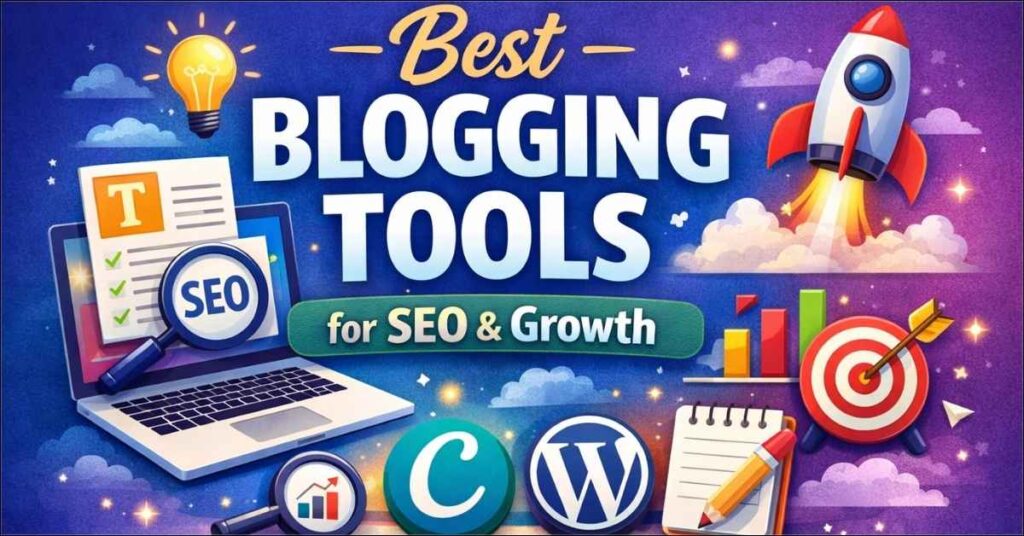
Blogging has evolved far beyond just writing and publishing content. Today, successful bloggers rely on a range of blogging tools to research topics, optimize content for SEO, design visuals, manage workflows, and track performance. Whether you’re a beginner or a professional blogger, using the right tools can save time, improve content quality, and boost traffic.
In this article, we’ll explore the best blogging tools, categorized by purpose, to help you build, grow, and monetize your blog efficiently.
1. Content Research & Idea Generation Tools
Google Trends
Google Trends helps you discover what people are searching for in real time. It’s ideal for identifying trending topics and seasonal content ideas.
Best use cases:
- Finding trending blog topics
- Comparing keyword popularity
- Planning seasonal content
AnswerThePublic
This tool visualizes user questions around a keyword, helping you create content that directly answers audience queries.
Why it matters:
- Improves blog relevance
- Helps target long-tail keywords
- Boosts organic traffic
2. SEO & Keyword Research Tools
Yoast SEO / Rank Math (WordPress Plugins)
Both plugins help optimize your blog posts directly inside WordPress by analyzing readability, keyword usage, and metadata.
Key features:
- Focus keyword optimization
- Meta title & description preview
- XML sitemaps
Ubersuggest / Ahrefs
These tools provide keyword ideas, search volume, competition data, and backlink analysis.
Benefits:
- Find low-competition keywords
- Analyze competitors
- Improve content strategy
Also read: 9 Free Google SEO Tools Every Marketer Should Use
3. Writing & Editing Tools
Grammarly
Grammarly checks grammar, spelling, clarity, and tone, making your content more professional and reader-friendly.
Ideal for:
- Error-free writing
- Improving readability
- Maintaining consistent tone
Hemingway Editor
This tool highlights complex sentences and passive voice, helping you write clear and concise blog posts.
4. Design & Visual Content Tools
Canva
Canva is one of the most popular blogging tools for creating blog banners, infographics, Pinterest pins, and social media creatives.
Why bloggers love it:
- Easy drag-and-drop interface
- Ready-made templates
- Brand kit support
TinyPNG
This tool compresses images without losing quality, improving page speed and SEO.
5. Productivity & Workflow Tools
Trello / Notion
These tools help bloggers plan content calendars, track progress, and collaborate with teams.
Use cases:
- Editorial calendars
- Content planning
- Task management
Google Docs
Perfect for drafting blog posts, collaborating with editors, and storing content securely in the cloud.
6. Analytics & Performance Tracking Tools
Google Analytics
Google Analytics helps you track blog traffic, user behavior, and conversion performance.
Insights you get:
- Page views & bounce rate
- Traffic sources
- Top-performing content
Google Search Console
This tool shows how your blog performs in Google Search and helps identify indexing or SEO issues.
Why Blogging Tools Matter

Using the right blogging tools can:
- Improve content quality
- Increase search engine rankings
- Save time and effort
- Enhance user experience
- Support blog monetization
Instead of doing everything manually, these tools allow you to focus more on creating valuable content.
Conclusion
Whether you’re running a personal blog or a business website, investing time in the right blogging tools is essential for long-term success. Start with basic tools like WordPress SEO plugins, Google Analytics, and Canva, then gradually expand your toolkit as your blog grows.
The key is not to use all tools – but to use the right ones that align with your blogging goals.